
Bangalore
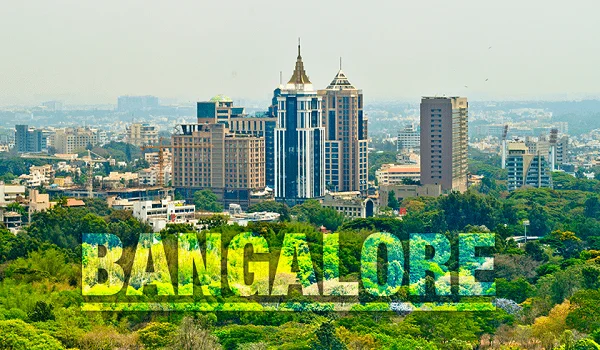
Bangalore (Bengaluru) is capital and largest city of Karnataka. It was known as Bangalore until its official name change in 2014. The city sits on the Deccan Plateau inside the Mysore Plateau. Its altitude is nearly 900 meters above sea level.
Old finds show human life here back to 4000 BCE. The earliest written name appears on a 9th-century Old Kannada stone in Begur.
Kempe Gowda I founded the modern city in 1537 CE. He built a mud fort and set up market sectors called pētēs. Over time, rule shifted all over major powers like the Western Gangas, Cholas, Hoysalas, and the Vijayanagara Empire.
Later, British cantonment additions in the 19th century expanded the town into a major hub for business and administration.
Economic Power and Tech Capital
Today, Bengaluru is one of India's most active city economies. People around the world call it the "Silicon Valley of India". The city's Gross Domestic Product (GDP) reached an estimated $590.4 billion by 2024. This growth relies on IT services, biotechnology, and advanced manufacturing.
Global Capability Centres (GCCs), tech firms, and top schools drive strong job growth. This economic strength draws skilled workers, engineers, as well as researchers from across the country.
Geography and Urban Expansion
The city covers 741 square kilometers within the Bangalore Urban district. The local land is mostly flat with the gentle granite hills towards the south. Its highest point rises to 962 meters at Doddabettahalli.
Long known as India's "Garden City," rapid modern growth has changed its layout. Urban growth moves outward along key roads such as Old Madras Road (NH75) in East Bengaluru, the highway between KR Puram and Hoskote. Large housing projects like Sattva Courtyard, about 300 metres from Cheemasandra Lake, are being planned along these routes to house the growing local workforce.
Real Estate Market Profile
Market Trends
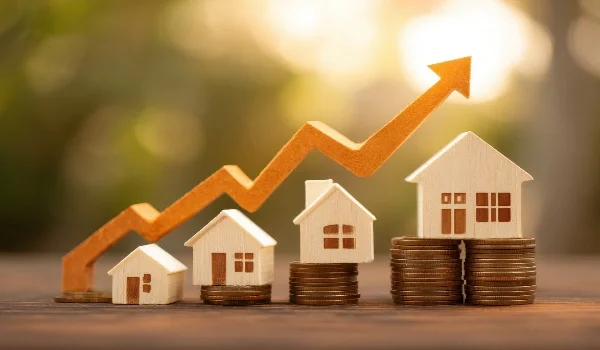
Bengaluru remains India's premier tech hub, showing stable home and office market growth. Average home prices across the city stand at roughly ₹12,100 per square foot, up 10.5% in a year. Tech firms as well as global centers take up nearly 60% of office leases, that keeps the housing demand very strong.
Price Variations by Area are
Home values across the city show clear local trends shaped by nearby tech parks as well as major roads.
- East Bengaluru: Leads the market with home prices hitting ₹13,750 per square foot. Demand comes from major job hubs like Whitefield and KR Puram, plus corridors such as Old Madras Road (NH75), where Sattva Courtyard is planned.
- North Bengaluru: Averages ₹11,150 per square foot (+2.6% year-on-year growth). Growth is driven by easy access to Kempegowda International Airport, the KIADB Aerospace Park, and new metro line routes.
- South and West Corridors: Maintain steady demand averaging between ₹11,100 and ₹11,300 per square foot. These areas focus on classic family neighborhoods and good local amenities.
Main Drivers of Demand
Several key factors drive strong apartment sales
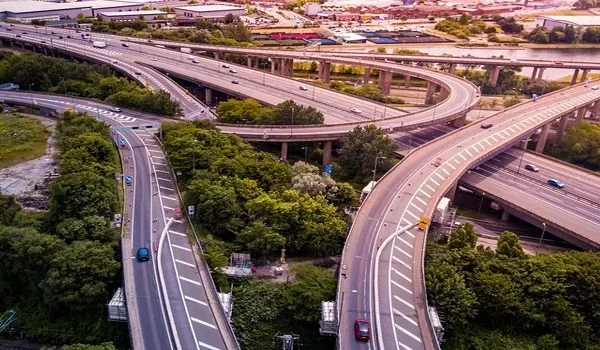
- Infrastructure: Namma Metro expansions, planned peripheral ring roads, and road widening projects cut down the travel times and increase outer suburb property values.
- Buyer Preferences: Modern buyers seek gated communities with larger layouts, home office corners, as well as eco-friendly designs.
- Controlled Supply: Builders maintain a sensible launch pace. This prevents excess market inventory as well as keeps long-term prices healthy for buyers.
FAQs
Citywide average home prices usually have at roughly ₹12,100 per square foot, reflecting 10.5% annual growth. East Bengaluru usually have the highest rates of around ₹13,750 per sq. ft.
East Bengaluru leads the market due to its dense network of IT tech parks, corporate offices, as well as well-connected housing corridors.
Expansions in the Namma Metro network, airport road upgrades, and main road widening projects increase the property values across central hubs and outer suburbs.
Modern hybrid work models increase demand for spacious 3 and 4 BHK layouts that offer dedicated home office space as well as family recreation areas.
Yes. Supported by constant tech job growth, clear RERA rules, and balanced builder inventory, Bengaluru remains one of India's most stable housing markets.